Sunday, May 24, 2026

Narrow Brick Road

They meet in the middle
the way all reckoning does —
without announcement,
without preparation,
on an ordinary street
that did not know
it was about to mean something.
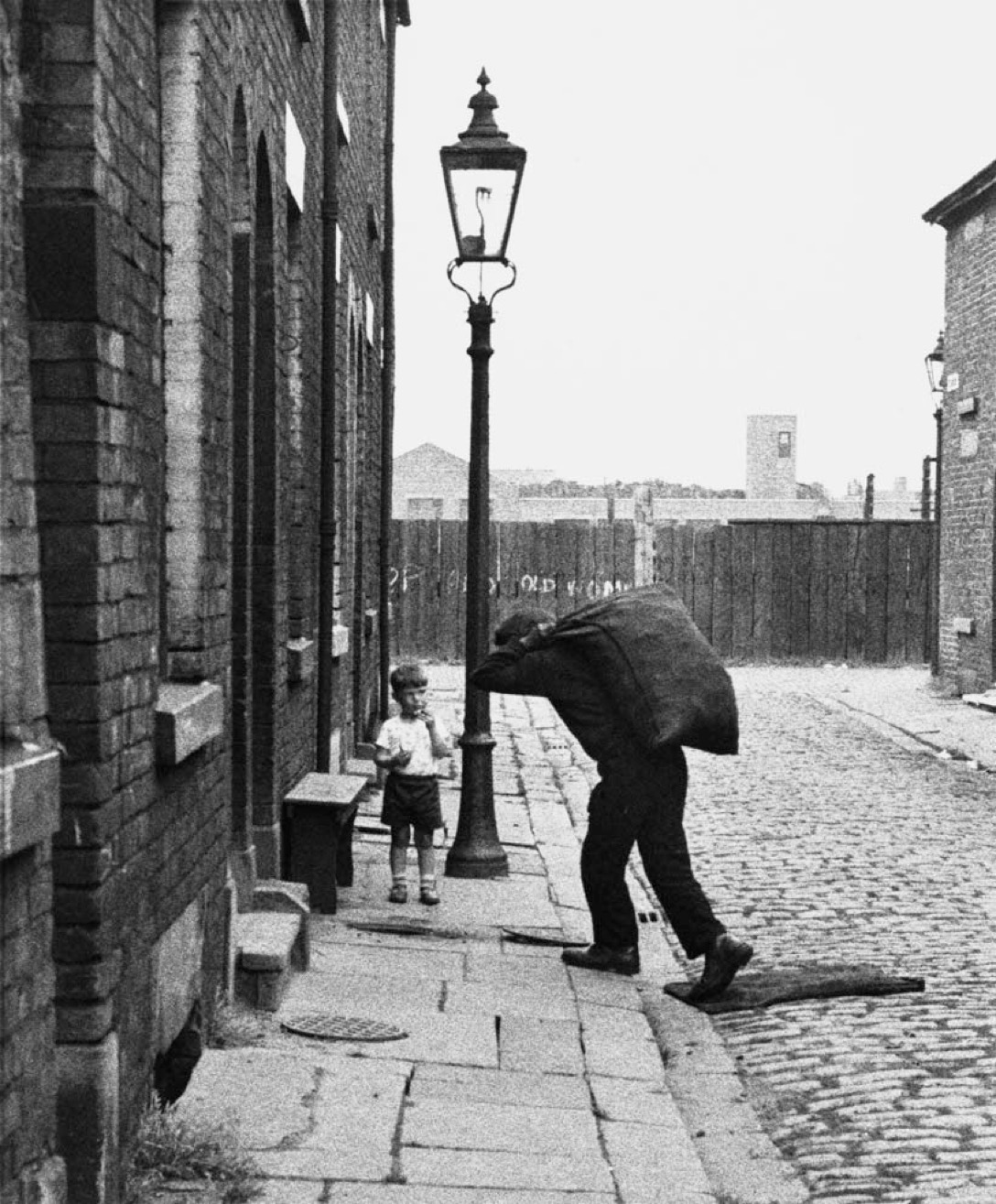

The man walks forward

because forward is the only direction

the weight allows.

The sack has its own grammar now,


its own pull on the spine,

its own way of deciding


the angle of the world.


He has forgotten

what it felt like

to stand straight

without compensating.


The boy has stopped.

Not from fear.

From that older instinct —

the one that precedes language,

that recognizes a threshold

without being able to name it.


He looks up the way you look

at weather coming,

at something large

that is not yet yours

but will be.


What does he see?

A man with a sack.

A body that has learned

to carry.

Something impressive

in the set of the shoulders,

something in the eyes

that looks like knowledge

and also, faintly,

like the place where

something used to be.


The boy is looking at his future

and the man is looking

at his origin —

that these encounters

happen everywhere,

that we spend our lives

moving between

what we have not yet become

and what we have

already surrendered.


The sack is not dramatic.

That is the important thing.


It was not placed there

all at once,

not by catastrophe

or cruelty.


It arrived the way adulthood arrives —

one reasonable thing at a time,

each addition making sense

in the moment of its taking on,

each commitment

a choice that was also

a small closing of a door

somewhere behind you

that you did not hear

because you were already

looking forward.


This geometry —

the child who watches labor

from the outside

and the man who has forgotten

he was ever on the outside.


The distance between them

is not years.

It is accumulated yeses.


What does the man see?


A body that still belongs

entirely to itself.

Legs that go at their own speed.

A face that has not yet learned

to arrange itself

for the occasion.


Not innocence —

he is too tired for sentimentality —

but something he recognizes

the way you recognize a place

you lived before the renovation,

when everything was still

unfinished and possible

and slightly inconvenient

in ways that felt like freedom.


He does not envy the boy.

Not exactly.

He knows what is coming,

knows the sack is not a punishment

but life,


knows that the weight

came attached to everything

that mattered.


But for one second,

in the particular light

of this particular street,

he would like to put it down.

Not forever.

Just long enough

to remember

what his spine felt like

before it learned

to compensate.


The boy steps aside.

The man passes.


The brick road continues

in both directions,

narrow as it always was,

wide enough for one

moving body

at a time.


Neither looks back.


Or maybe the boy does —

just once,

quickly,

the way you look

at something

you do not yet have words for

but your body

has already begun

to remember.

Wednesday, May 20, 2026

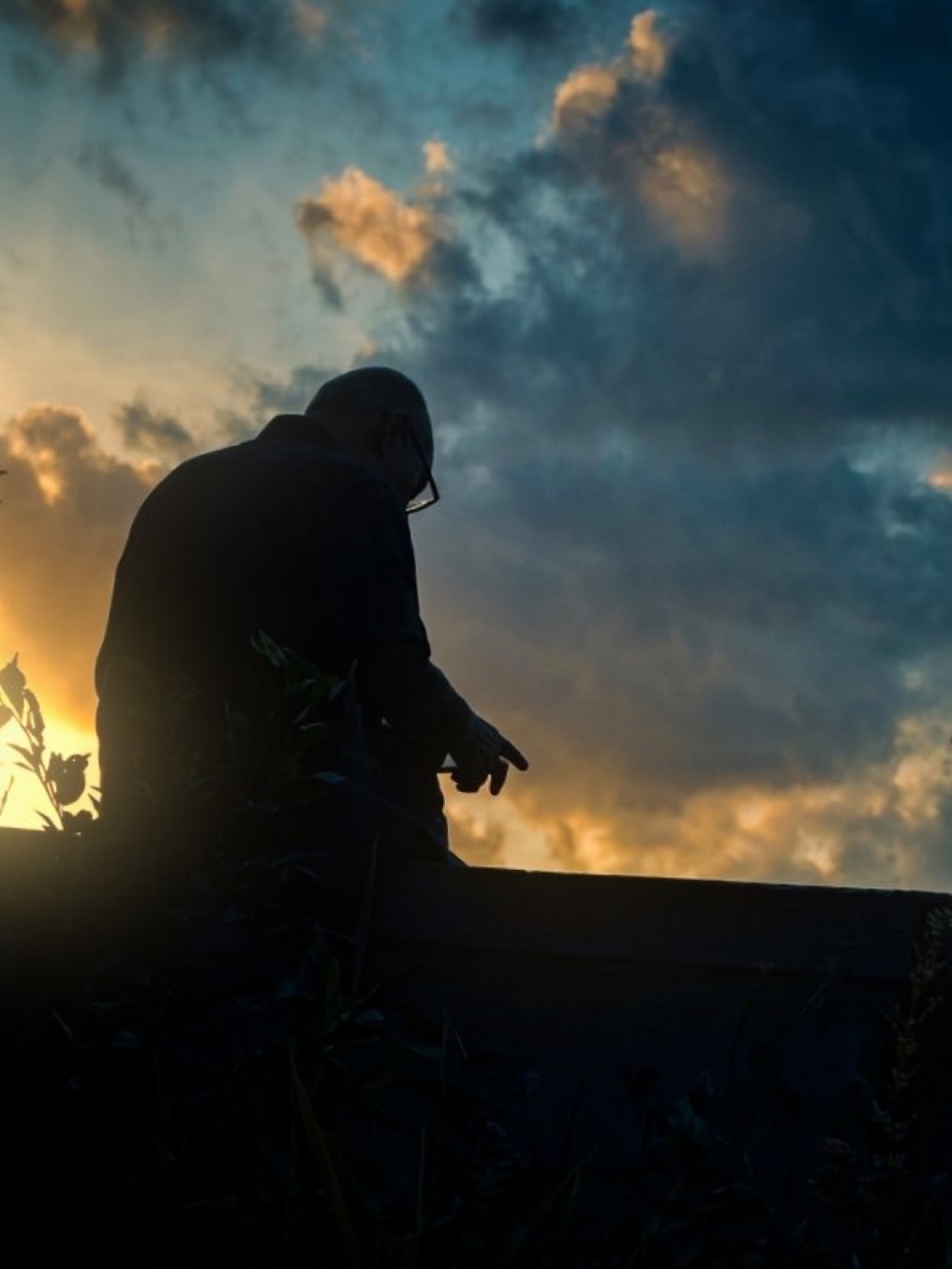
Looking up and back

The sky, circling in blue and orange has
turned into an alchemist?


Elias has stopped trying to name it.

Orange into blue into something

that has no colour yet,


the colour of light that arrives

near the end of things


and seems to know it,

seems to be

watching back, in greys.


Elias keeps walking.

This is the whole discipline now —

to keep walking

under a sky of vapid judgment

and not turn away 

and not explain yourself

to anyone,

not even to yourself,

specially not to yourself

not anymore.


We are not

the rational creators

we tell ourselves we are.

We do not choose towards joy.


We choose away from the face

we are afraid to meet later —

the older self

standing at the back of every room

we ever entered,

arms folded,

already knowing how it ends.


Elias chose some things for that reason.

The safe harbor.

The door not opened.

The words not spoken


on an evening in another city

that he can still locate exactly

in his body

thirty years later.


He was trying to protect himself

from regret.

He did not know

that unlived life

accrues its own interest,


His fear was right —

to choose is to lose

what was not chosen,

but not to choose

is to lose everything,

including the self

that might have done the choosing.


The unchosen accumulate.

That is what no one tells you.

They do not disappear

when you decide against them.


They stand at the edges of the field

in weather like this,

patient,

unhurried,

waiting for the colours

to catch up.


The mistakes are not

the worst of it.

The mistakes had weight,

had consequence,

had the dignity of having

actually happened.

You can walk the perimeter of a mistake.

You can know its dimensions.


It is the unlived things

that have no edges —

the person you might have become

in a different city,

the love you almost let

be as large as it wanted to be,

the room you stood outside

and did not enter

because entering felt

too much like falling.


The sky deepens.

He does not look up.

He has made his peace

with most of it,

or made something

that resembles peace

from a sufficient distance,

which may be

all that is available now.


The field is wide.

Elias is small in it.

He knew this would happen —

not the field exactly,

but the feeling,

the late light,

the sense of being

a figure in a landscape

that was always larger

than his plans for it.


He keeps walking

because the body still insists,

because stopping

would require a reason

and Elias has outlasted

most of his reasons,

because somewhere ahead

the field ends

and he would like to see

where.


Not with urgency.

Not with fear.


Just with the quiet

faithful attention

of someone who has learned,

too late and exactly on time,

that the present moment

was always the point,

that the sky was always

doing something extraordinary

above whatever field he crossed,


and that he looked up

far less often

than he should have.

Hotel

A name. A payment. A signature. In return: a room. In return: the brief, clean permission to be someone else Augé called these places no...